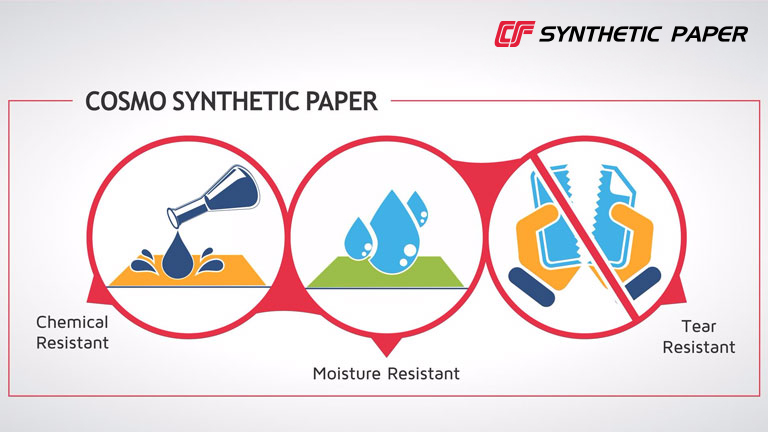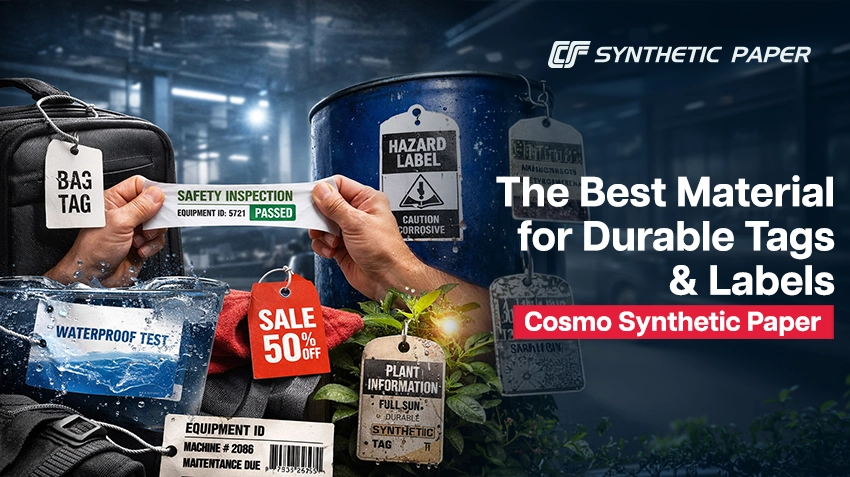
Synthetic paper is the best material for durable tags and labels as it resists water, tearing, chemicals, UV exposure, and temperature changes while delivering premium print quality.
Why Tags & Labels Must be Durable?
Tags and labels carry branding, compliance data, pricing, and tracking details. In industries like retail, logistics, manufacturing, horticulture, and food packaging, labels are often exposed to:
- Moisture and humidity
- Rough handling and friction
- Oils, chemicals, and cleaning agents
- Outdoor weather conditions
- Long storage and transport cycles
Why Synthetic Paper Is the Top Choice
Synthetic paper consistently outperforms other labeling materials when durability is non-negotiable. Here’s why it’s the preferred option.
1. Outstanding Tear & Water Resistance - Synthetic paper doesn’t rip easily. This makes it perfect for durable tags and labels used in:
- Cold storage and freezers
- Garden centers and nurseries
- Beverage and food packaging
- Outdoor equipment and tools
Rain, spills, and condensation can’t compromise the readability or integrity of this innovative paper.
2. Long-lasting Print Quality - Synthetic paper delivers sharp text, vibrant colors, and high-resolution graphics. More importantly, it holds ink and toner securely, reducing smudging and fading over time. This is critical for:
- Barcodes and QR codes
- Compliance and safety labels
- Branding-heavy retail tags
3. Chemical & Oil Resistance - In industrial settings, labels come into contact with oils, solvents, and cleaning chemicals often. Our PP synthetic paper maintains its structure and print clarity in these harsh conditions. Common applications include:
- Manufacturing labels
- Automotive parts tags
- Warehouse and inventory tracking
This reliability minimizes relabeling costs and operational disruptions.
4. Flexible – This tear resistant paper bends without cracking and resists punctures better than laminated paper. This flexibility makes it ideal for:
- Hang tags
- Fold-over labels
- Wrapped or curved surfaces
Strength without sacrificing adaptability.
5. Works with Standard Printing Methods - One of the biggest advantages of synthetic paper is how easy it is to integrate into existing workflows. It’s compatible with:
- Digital printing
- Offset printing
- Thermal transfer printing
6. Synthetic Paper vs. Standard Paper
- Durability: Synthetic paper wins by a wide margin
- Moisture resistance: Synthetic paper wins again
- Longevity: Synthetic paper lasts significantly longer
In short, Cosmo Synthetic Paper strikes the ideal balance between performance, appearance, and practicality.
Applications for Synthetic Paper Tags and Labels
Synthetic paper is the go-to choice when labels must survive tough conditions without losing clarity or appeal. Applications include:
- Retail hang tags
- Product identification labels
- Logistics and shipping tags
- Plant and garden tags
- Food and beverage labels
- Industrial safety and instruction labels
Where durability and presentation both matter, synthetic paper delivers.
To Conclude,
Synthetic paper
- Resists tearing, water, chemicals, and UV exposure
- Maintains premium print quality over time
- Flexible, strong, and easy to print
- Ideal for retail, industrial, outdoor, and logistics use
- The best material for durable tags and labels
Synthetic paper is the clear choice if you are looking for a label or tag material that can withstand real-world conditions without compromising on appearance or functionality,
Explore synthetic paper options tailored for your industry or reach out to our expert team to find the right grade for your specific use case. Reach out to us now!