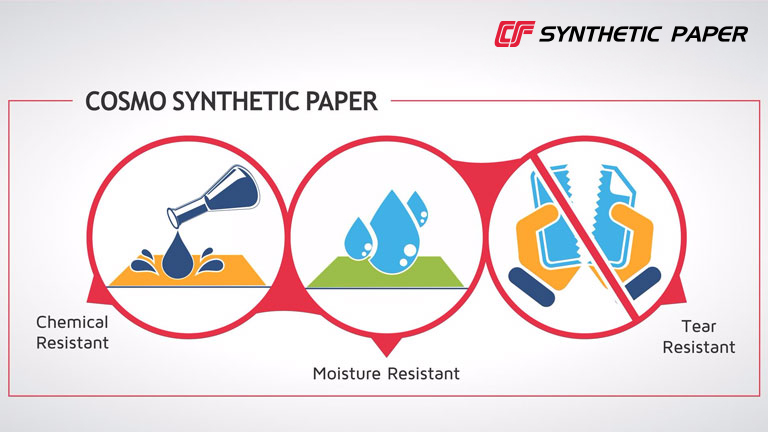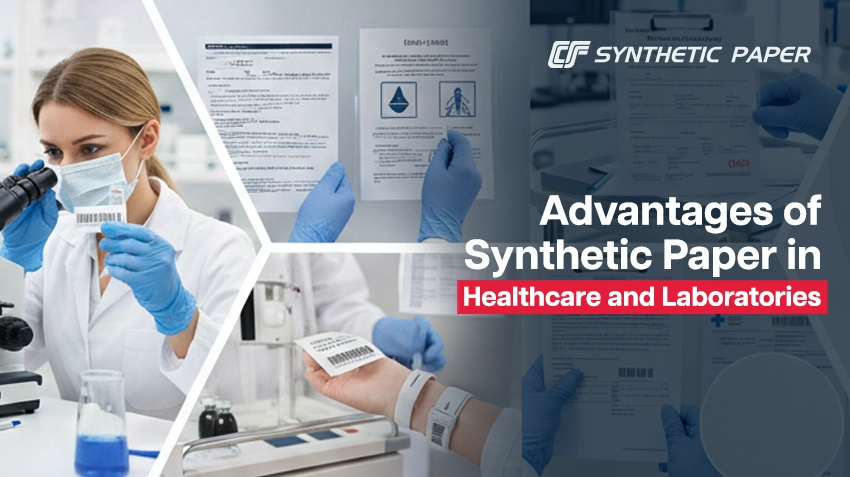
Wondering why synthetic paper is considered better suited to be used in healthcare and laboratory settings? It is because it resists tearing, chemicals, oils, moisture, and frequent cleaning, helping labels, instructions, and records stay readable and intact for longer periods.
Here, we will see that
- Synthetic paper does not absorb water, chemicals, or oils
- It stays readable even after cleaning and spills
- It is ideal for hospitals, labs, and medical facilities
- Tearproof paper reduces errors caused by damaged or smudged paper
In medical settings, traditional paper is often exposed to - cleaning sprays, alcohol, oils, and other chemicals. Our waterproof paper is designed to handle these conditions without falling apart or losing printed information.
Importance of Chemical & Oil Resistance in Healthcare Industry
Healthcare and laboratory environments deal with the following substances every day
- Alcohol-based sanitizers
- Disinfectants and cleaning solutions
- Oils and lubricants
- Chemical reagents
- Body fluids
When regular paper contacts any of the above substances, it may stain, wrinkle, tear, or cause ink to blur. This leads to lost information or mistakes. Synthetic paper resists these substances, keeping text and images clear and readable.
Synthetic Paper Advantages in Healthcare Settings
Here are the advantages of synthetic paper in the healthcare industry:
- Patient Wristbands
Wristbands and labels made from PP synthetic paper do not absorb water, sweat or alcohol, ensuring barcodes and names remain clear throughout a patient’s stay.
- Medical/Instruction Sheets
Charts and instructions are often cleaned or wiped down. Synthetic paper can handle frequent disinfecting without damage.
- Signs/Notices
Hospital signs are often placed in high-contact areas. The ones printed on tear-resistant paper stay readable even with regular cleaning.
Synthetic Paper Advantages in Laboratory Settings
Here are the advantages of synthetic paper in the laboratory settings:
- Chemical-Resistant Labels
Synthetic paper labels resist chemical and oils, reducing the risk of label misidentification.
- Cold & Wet Environments
Many labs use refrigerators or freezers. Synthetic paper stays flexible and readable in such environments.
- Durable Documentation (Lab checklists, logs, & procedures)
Information printed on synthetic paper lasts longer and remains usable in demanding environments.
Why Professionals Prefer Synthetic Paper
Industry professionals value synthetic paper because it:
- Helps reduce errors caused by smudged, torn, or damaged paper
- Improves accuracy and safety by keeping labels and instructions clear and readable
- Supports smoother workflows in fast-paced healthcare and laboratory environments
- Meets hygiene and cleanliness standards due to easy wipe-down and resistance to chemicals
- Tear-resistant and durable, ensuring information remains visible in all conditions
- Longer lifespan compared to regular paper
- Recyclable, supporting sustainability goals
Looking to improve durability and reliability in your healthcare or lab documentation?
Consider switching to Cosmo Synthetic Paper for labels, charts, and instructions. It is designed to perform in demanding environments where regular paper often fails, helping labels, instructions, and records stay clear and durable.
Get in touch with our experts to learn more about our synthetic paper, explore its types, and see how it can improve labeling, documentation, and signage in your facility.