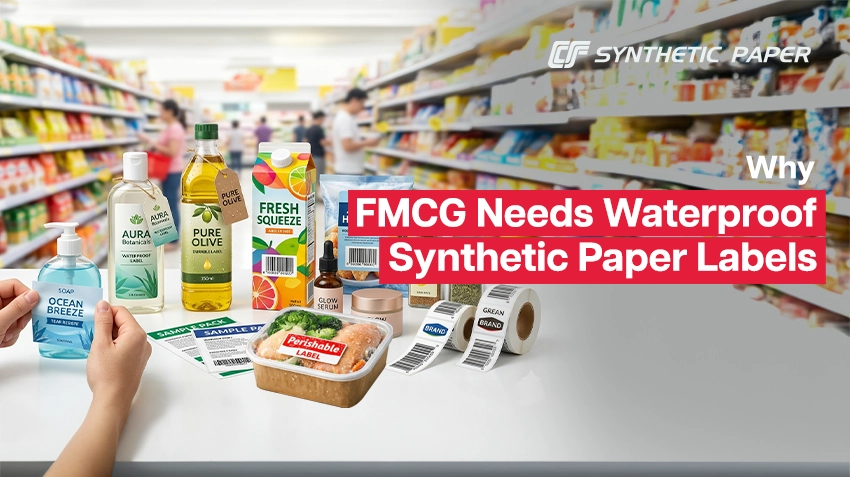
Waterproof synthetic paper labels have
become one of the most important elements in FMCG packaging, protecting
products against moisture, refrigeration, rough handling, and the general chaos
of supply chains. Get the label wrong, and everything else falls apart.
Blog Summary
·
Waterproof
labels are essential for FMCG products exposed to moisture and handling
·
Synthetic paper labels
ensure durability, readability, and compliance
·
Improve brand visibility and
consumer trust with waterproof labels
·
They reduce long-term costs
despite higher upfront investment
The Rising Demands of FMCG Packaging
FMCG moves fast, high volumes, tight
timelines, and products constantly exposed to condensation, spills, and
temperature swings. From refrigerated goods to personal care, packaging takes a
beating at every step.
Labels carry the most information and take
the most visible hit. Traditional material labels smudge, peel, and tear when they
get wet. That's exactly why waterproof labels made using synthetic paper
have stopped being a "nice to have" and started being a necessity.
Why Synthetic Paper Labels Make Matters
·
Beverages, frozen foods, and
dairy products are made for cold environments. Materials that can't handle
moisture simply don't last, but synthetic paper does.
·
FMCG products change hands
many times before reaching consumers. Labels face friction, stacking, and
temperature shifts throughout, PP synthetic paper holds up where
standard materials give out.
·
Freezer and cold storage
conditions are brutal on labels, ink fades, adhesives fail. Fade-proof
synthetic paper stays reliable even in the coldest conditions.
The Functional Advantages
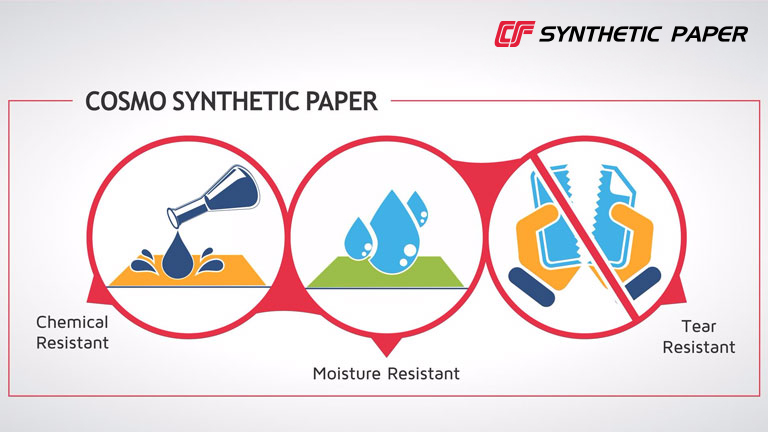
Synthetic paper
labels don't just survive tough conditions, but they perform through them:
·
They stay intact whether
wet, humid, or refrigerated, so the label looks as good on the shelf as it did
in production.
·
Ingredients, expiry dates,
barcodes, and other details remain clearly readable.
·
Scratches, friction,
repeated handling, PP synthetic paper takes it without losing quality.
Brand Visibility and the Consumer
Experience
A peeling or smudged label does quiet damage
to how people see your brand.
·
Shelf appeal that holds
Synthetic paper labels keep their colour,
clarity, and finish, making products stand out rather than blend into the
noise.
·
Trust through consistency
Consumers notice when packaging looks
well-maintained. A clean, intact label signals a product worth trusting.
·
Usability that lasts
In personal care and household cleaning,
labels regularly get wet during use. Waterproof labels stay functional
for the full life of the product.
Regulatory Compliance and Risk Reduction
Food, pharma, and personal care brands face
strict labelling requirements, and label damage doesn't excuse non-compliance. PP
synthetic paper labels keep mandatory information legible, barcodes
scannable, and safety instructions visible right through distribution.
Cost Efficiency in the Long Run
The upfront cost of synthetic paper labels is
higher than standard options, but the math works out. Fewer re-labelling, fewer
product returns because of label damage, and less exposure to
compliance-related losses add up to real savings over time.
Key Takeaways
·
Waterproof labels are
essential for modern FMCG packaging
·
Synthetic paper labels
ensure durability, readability, and brand consistency
·
They reduce operational
risks and long-term costs
·
Adoption is accelerating
across multiple product categories
Looking to upgrade your FMCG packaging labels?
Explore our waterproof synthetic paper labelling solutions built for
both performance and brand impact. Get in touch with us today!