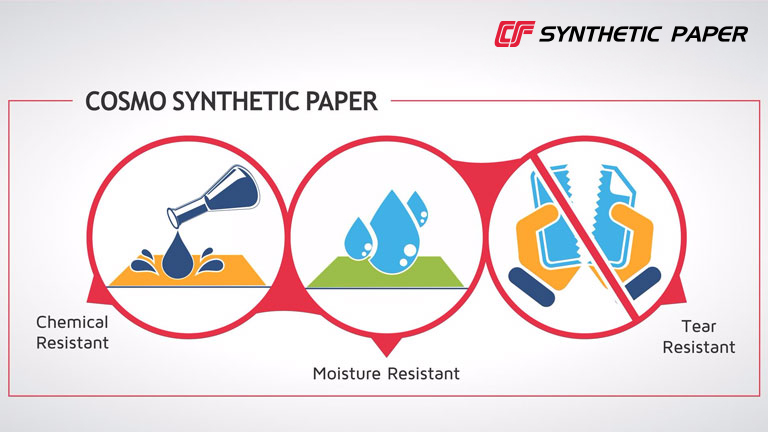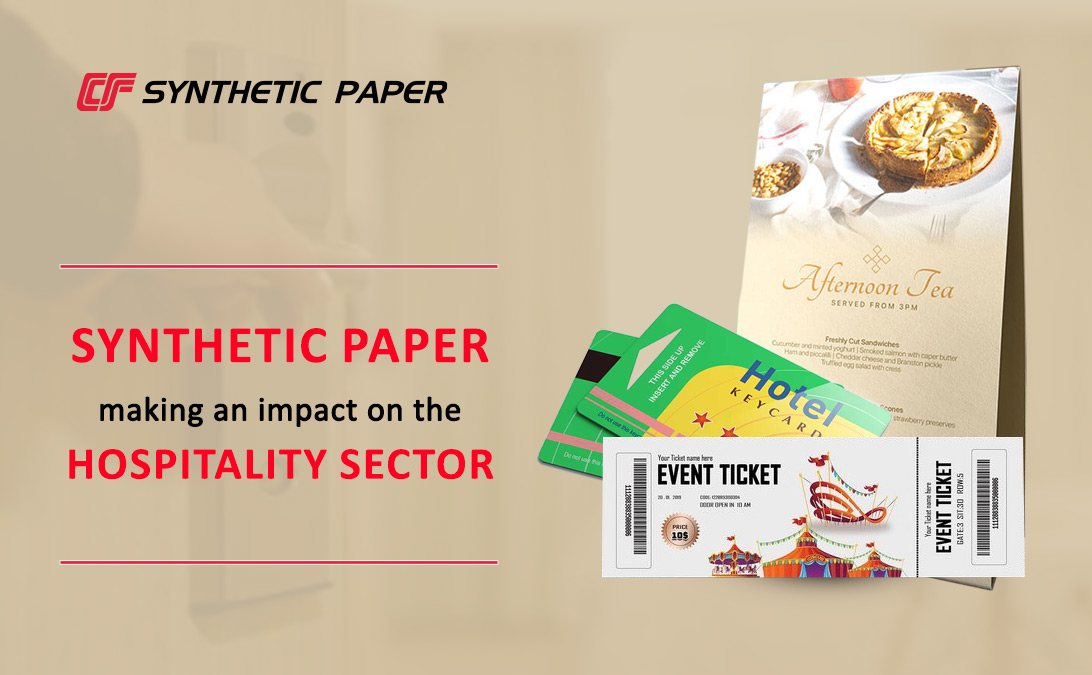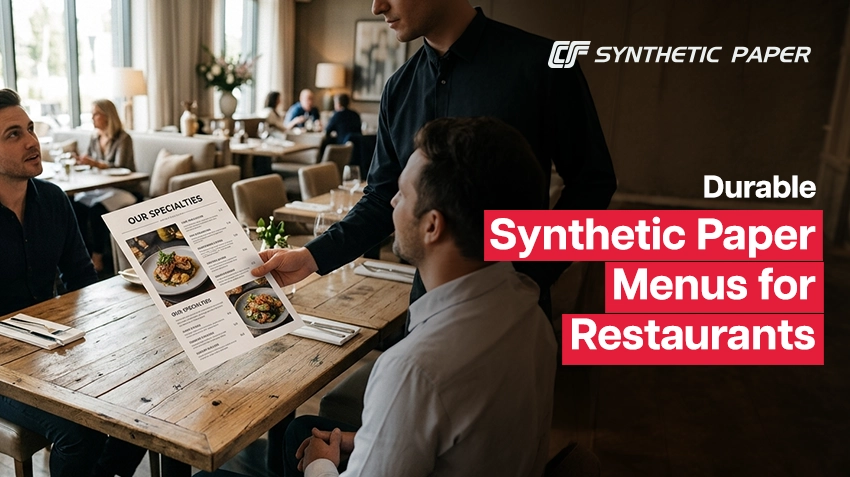
Restaurant menu goes through a lot more than almost anything else on the table - spills, grease, humidity, constant wiping, and endless handling. That’s exactly why more hospitality brands are switching to Synthetic Paper, the ultra-durable, waterproof menu material built to survive it all without tearing, warping, or fading. Whether for indoor dining or outdoor seating, it keeps menus looking fresh, premium, and readable day after day.
How Outdoor Seating Destroys Ordinary Menus
Restaurant patios, rooftop bars, beach shacks, and food truck
counters all share one brutal truth - the elements are merciless to paper. A
single afternoon of light rain or a guest spilling a beverage can transform a
freshly printed laminated menu into a soggy, peeling embarrassment. UV exposure
bleaches ink within months. Wind catches the corners and tears them. High
humidity causes standard paper to warp and swell overnight.
Synthetic paper solves the problem at the
material level, as there is no lamination to peel, no paper core to soak up
water, and no surface to crack under repeated folding.
Indoor Dining Menu Issues
High-volume restaurants wipe menus down with sanitising sprays
between every cover, and standard paper simply cannot survive that treatment
day after day. The fibres break down, the text smears, and the menu develops
that characteristic dog-eared, greasy look that silently signals low standards
to guests.
From a hygiene standpoint, synthetic paper's non-porous surface is
also a genuine advantage, bacteria and viruses cannot penetrate the sheet, so a
wipe with a standard food-safe sanitiser is all it takes to bring a menu back
to clinically clean.
Key Use Cases
· Patio
& Terrace - Rain, wind, and humidity-proof. Menu stays flat and legible
through a full-service season.
· Rooftop
& Poolside - UV-stabilised surface resists sun bleaching. Splash-proof
without any additional laminate.
· Beverage
Lists - Survives drink rings, ice melt, and nightly sanitation wipes
without surface degradation.
One of the most asked questions operators raise is whether synthetic
paper will look as premium as their current stock. The answer - YES.
Synthetic paper holds ink without feathering, and because there is no moisture
absorption, Pantone colours stay true from print to end-of-life.
Synthetic paper folds cleanly, allowing the same tri-fold,
bi-fold, or booklet constructions that paper menus use. It can be die-cut into
custom shapes and accepts foil stamping and embossing for premium presentation.
Hospitality operators typically replace standard laminated menus
every four to eight weeks in heavy outdoor use. On the other hand, our
synthetic paper, when used for menus in the same environment, lasts longer.
Ready to stop replacing menus every month? See our full range of restaurant-grade synthetic paper or reach out to our team and we will help you find the right solution.
Frequently Asked Questions
Q. Can synthetic paper menus be used in all weather conditions?
A. Yes. Synthetic paper is resistant to rain, humidity, UV
exposure, and wind, making it suitable for outdoor use.
Q. How to clean and sanitise synthetic paper menus between covers?
A. Simply wipe with a damp cloth or standard food-safe sanitising
spray. The non-porous surface does not absorb liquids or cleaning agents, so
there is no degradation, ink smear, or surface damage.
Q. Is synthetic paper more expensive than standard menu stock?
A. The per-sheet cost is higher upfront. However, when you factor
in replacement frequency, reprinting costs, and staff time, most operators
report a more than 50% reduction in total menu spend over a season. Longer
lifespan means fewer print runs and less waste.
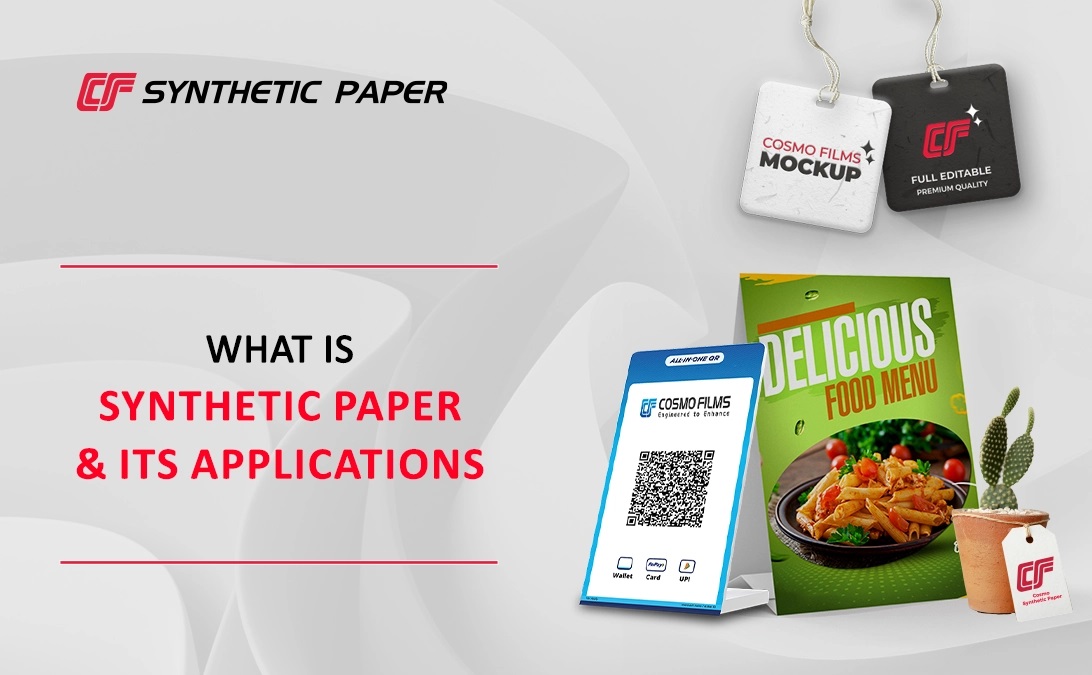
Q. Can synthetic paper menus be used with QR cod integration?
A. Yes. QR codes print crisply on synthetic paper and scan
reliably even after repeated wiping.
Q. Can synthetic paper menus be folded, die-cut, or embossed?
A. Yes. It can be folded cleanly for bi-fold or tri-fold formats.
It can be die-cut into any custom shape, and it accepts foil stamping and
embossing.