Walk into any archive- be it a national library, a museum vault, or a corporate records center- and you'll find one constant challenge: time. Documents fade, maps tear, labels curl, and vital records deteriorate with time. Archivists fight a constant battle against moisture, temperature fluctuations, and the natural aging of materials. Synthetic paper's ability to endure these conditions has redefined the standards of archival durability. How? Let’s find out!
· Built for the Long Haul
Synthetic paper's structure is fundamentally resilient. It maintains its composition even in challenging environments. For institutions preserving high-value or irreplaceable documents, synthetic paper means fewer interventions, less restoration, and a significant reduction in the long-term costs of preservation.
This waterproof paper doesn't yellow, crack, or become brittle with time. It retains its texture and color, ensuring that printed information remains legible for a long time. This endurance is vital for records that cannot risk degradation, such as government documents, historical maps, architectural plans, or scientific data that form the backbone of institutional memory.
· Resisting the Elements That Erase History
Environmental threats are among the biggest enemies of paper-based archives. Humidity warps pages, water stains records, and temperature shifts accelerate deterioration. In disaster-prone regions, a single flood can obliterate entire collections.
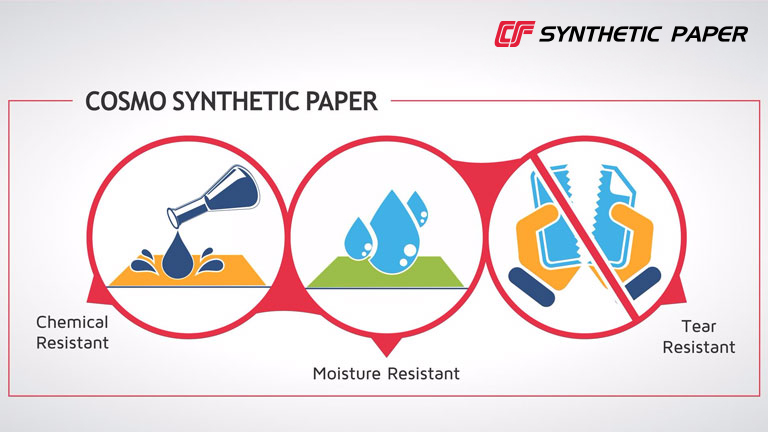
Synthetic paper is waterproof, even when submerged, it neither absorbs moisture nor distorts. This property has proven invaluable in archives located in tropical or coastal areas, where humidity and water damage are ongoing concerns.
· Physical Strength Meets Archival Sensitivity
In archives, the act of preservation often conflicts with the act of access. Every time a historical document is handled, its lifespan shortens. Synthetic paper's tear resistance and tensile strength mean it can withstand repeated handling without damage.
This is especially valuable for frequently referenced materials. Unlike laminated paper, which can peel or trap moisture over time, synthetic paper's durability is inherent- it requires no protective coating or lamination.
· Endurance in Extreme Conditions
Archival materials often face unpredictable storage environments- from climate-controlled vaults to mobile field collections. This cold-resistant paper performs consistently across a wide range of temperatures and humidity levels. It retains its structure in cold storage and does not warp in heat. For institutions maintaining disaster recovery archives, outdoor collections, or field research records, this performance is unmatched.
The essence of archival work is not just saving the past but ensuring it remains accessible for the future. Therefore, durability is important. Synthetic paper's ability to resist environmental degradation, maintain legibility over decades, and endure repeated handling makes it an invaluable ally in long-term document preservation. Whether it's a government record expected to survive generations, a field log from a scientific expedition, or a cultural artifact displayed in a museum, synthetic paper extends the life of information in tangible, measurable ways.
Looking to enhance the longevity of your archival materials with reliable, high-performance solutions? We specialize in advanced synthetic paper ranges tailored for preservation and durability. Connect with us today to discuss your synthetic paper requirements.