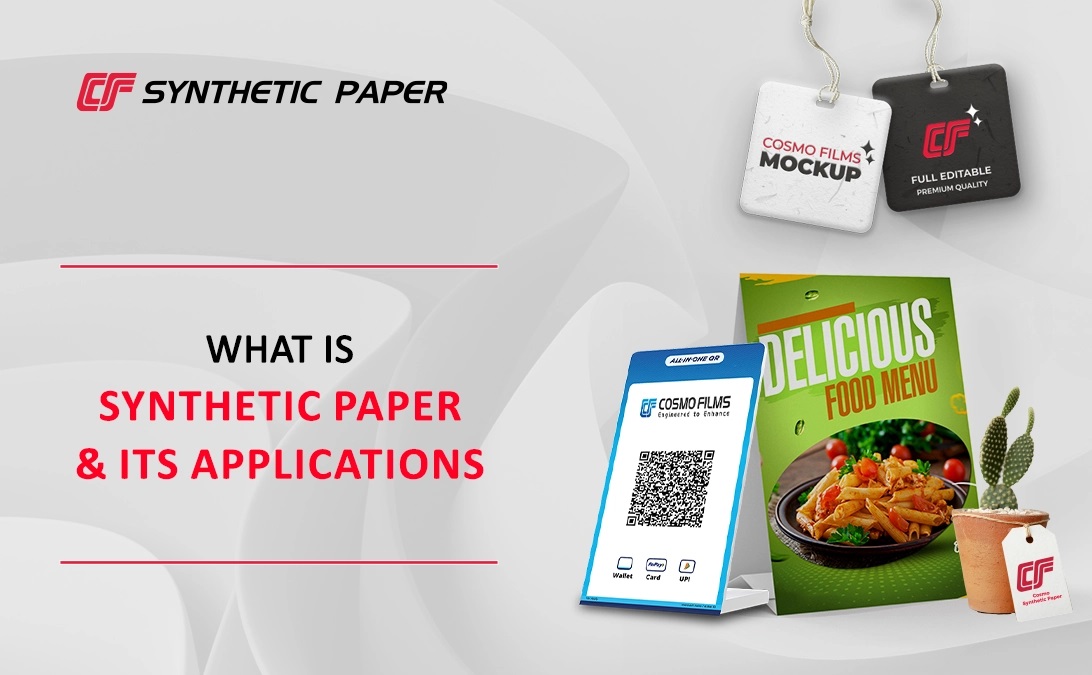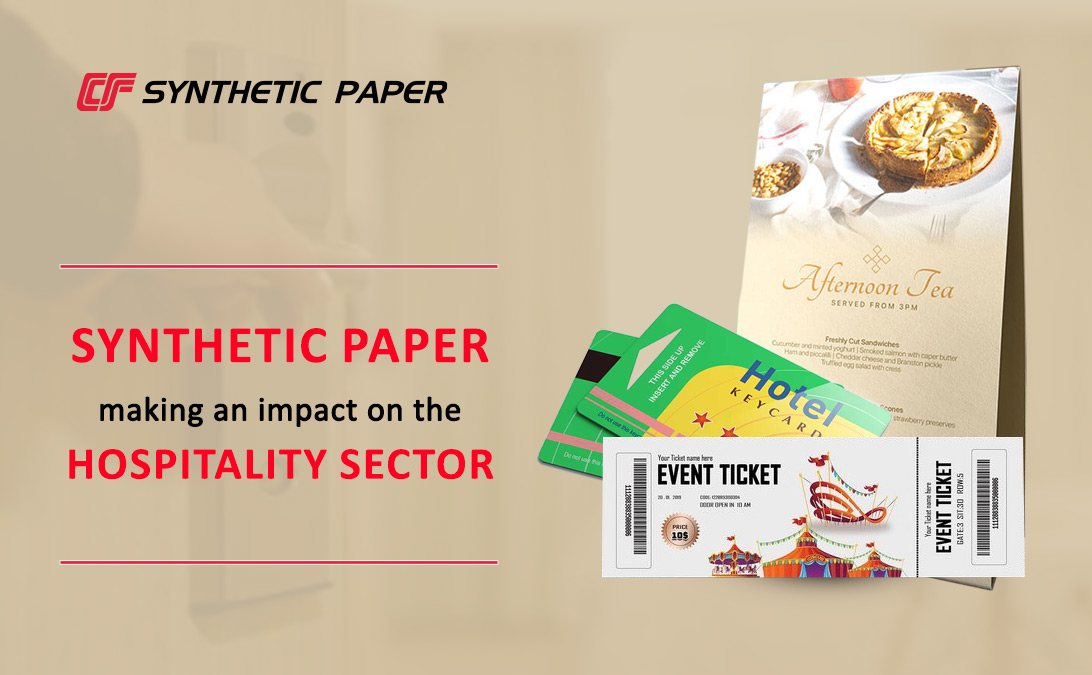
The usage of synthetic paper in commercial printing has gained popularity due to its durability, high quality prints, and versatile applicability with various printing techniques. It's commonly used for label printing, manuals printing, outdoor prints, commercial prints, etc.
Why
Synthetic Paper Is Gaining Popularity
Thanks
to synthetic paper’s benefits and compatibility with modern printing methods,
this innovative tear resistant paper has gained popularity.
Key Benefits:
•
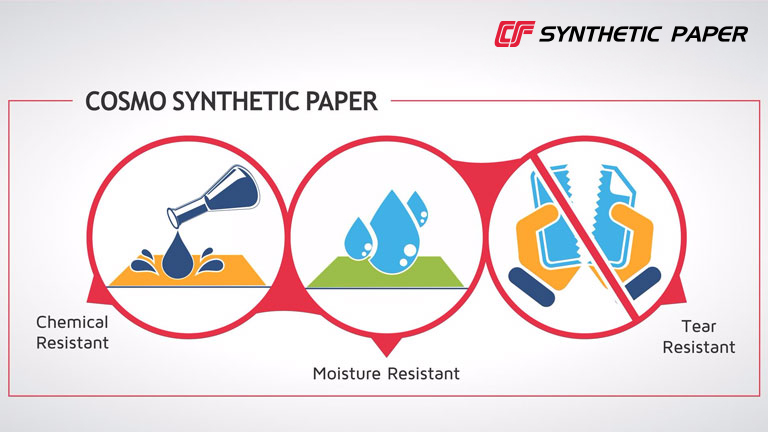
Tear resistant
•
Water and
moisture proof
•
Oil and chemical
resistance
•
Printable
• Durable
Print
Compatibility:
•
Offset printing
•
Digital printing
•
Flexographic
printing
•
UV ink jet
•
Thermal transfer
•
Screen printing
• HP Indigo & HP latex printing
Synthetic Paper Printing Tips
1. Offset Printing
·
Allow sufficient drying time to achieve clean,
smudge-free prints.
·
Use high-quality artwork and balanced ink coverage for
sharp visuals.
·
Handle printed sheets carefully to maintain the smooth
surface and premium finish.
2. Digital Printing
·
Test print settings before full production for the
best colour output.
·
Keep the print surface clean and dust-free for
consistent print quality.
·
Ideal for short runs and customised prints with
vibrant graphics.
3. Flexo Printing
·
Choose colours and designs that enhance the smooth
finish of synthetic paper.
·
Maintain consistent print pressure for uniform and
attractive results.
·
Great for labels, packaging, and high-volume
applications requiring durability
How to Achieve
Best Results Across All Printing Technologies
From our experience, successful
synthetic paper printing depends on balancing:
- Ink compatibility
- Drying conditions
- Machine settings
- Surface handling
Printers should also select the
correct synthetic paper grade depending on:
- Printing technology
- Application type
- End-use durability requirements
Cosmo Synthetic Paper offers multiple
variants engineered for specific printing systems and applications. Try our paper finder to get the synthetic paper for your
application.
Conclusion
At Cosmo Films, we believe synthetic
paper is redefining modern printing with its versatility, durability, and
compatibility across multiple printing technologies.
By understanding the right printing
techniques for offset, digital, and flexographic systems, printers can achieve
outstanding results while delivering durable, premium-quality printed materials
for a wide range of applications. For more enquiries contact us today at enquiry@cosmofilms.com
Frequently Asked
Questions
Q. Can synthetic
paper be printed using offset printing?
A. Yes, synthetic paper is compatible
with conventional and UV offset printing technologies.
Q. Is synthetic
paper suitable for digital printing?
A. Yes. Specialized synthetic paper
grades support laser, dry toner, HP Indigo, and HP Latex printing systems.
Q. Which inks
work best for flexographic printing on synthetic paper?
A. Both water-based and UV Flexo inks
are commonly used for synthetic paper printing.
Q. Does synthetic
paper require special printing equipment?
A. No major equipment changes are
usually required, but machine settings may need optimization when printing.
Q. Why does ink
drying take longer on synthetic paper?
A. Unlike regular paper, synthetic
paper is non-absorbent, so ink dries mainly through surface oxidation.
Q. Is synthetic
paper waterproof after printing?
A. Yes, synthetic paper maintains its
waterproof and moisture-resistant properties after printing.