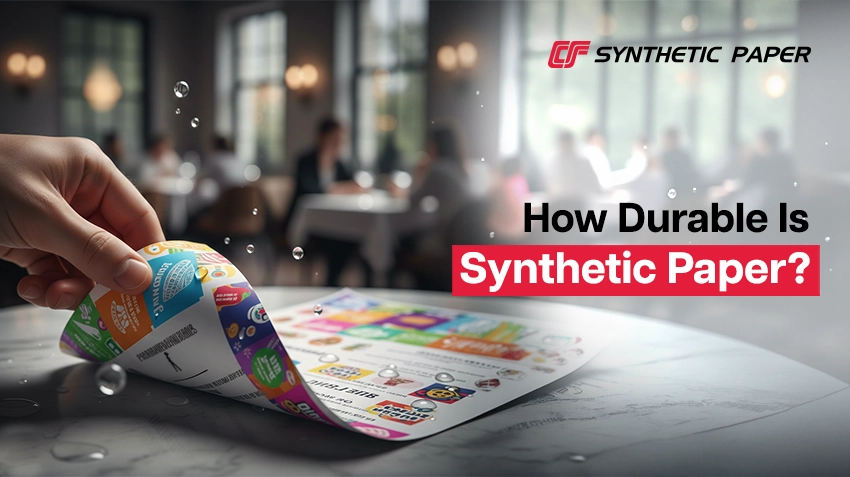
Durability is one of the most
talked-about characteristics of synthetic paper, especially when it comes to
tearing. Synthetic paper’s performance falls somewhere between
traditional paper and more rigid plastic-based materials, depending on how it
is used and handled.
How Synthetic Paper Responds
to Handling
During everyday use, synthetic
paper reacts differently from conventional paper. When folded, pulled, or bent,
it tends to hold its shape and remain intact. Edges do not split easily, and
corners are less likely to fail during routine handling.
These characteristics are
noticeable in situations where applications are handled frequently. Repeated
use does not immediately lead to visible damage, and accidental tearing is
uncommon.
Tearing Compared to
Conventional Paper
Traditional material tears with
a small rip. The tear follows a predictable path and spreads quickly. This is
why regular paper is prone to damage folds, holes, and edges.
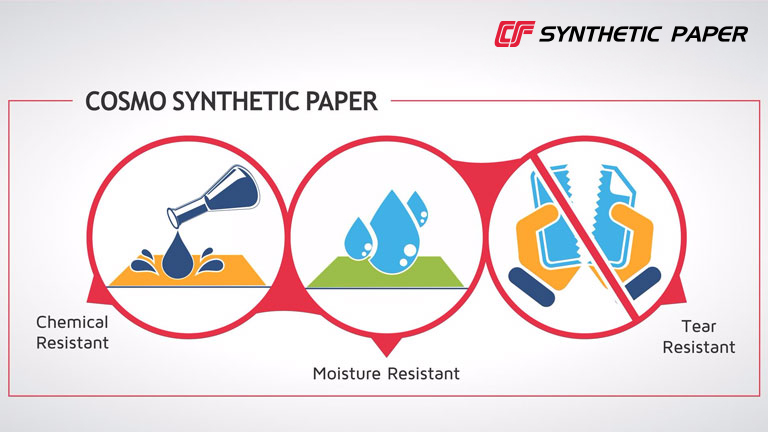
Tearproof synthetic paper behaves differently. A small cut or weak point does
not always lead to a full tear, and the material often resists further
separation.
Performance in Common
Applications
Synthetic paper is often chosen for products that are handled
repeatedly or exposed to less-controlled environments. For e.g.:
· Calendars & Planning Charts
Wall calendars, schedules, and
planning tools are touched and adjusted regularly. Synthetic paper remains
usable over time without showing any tears.
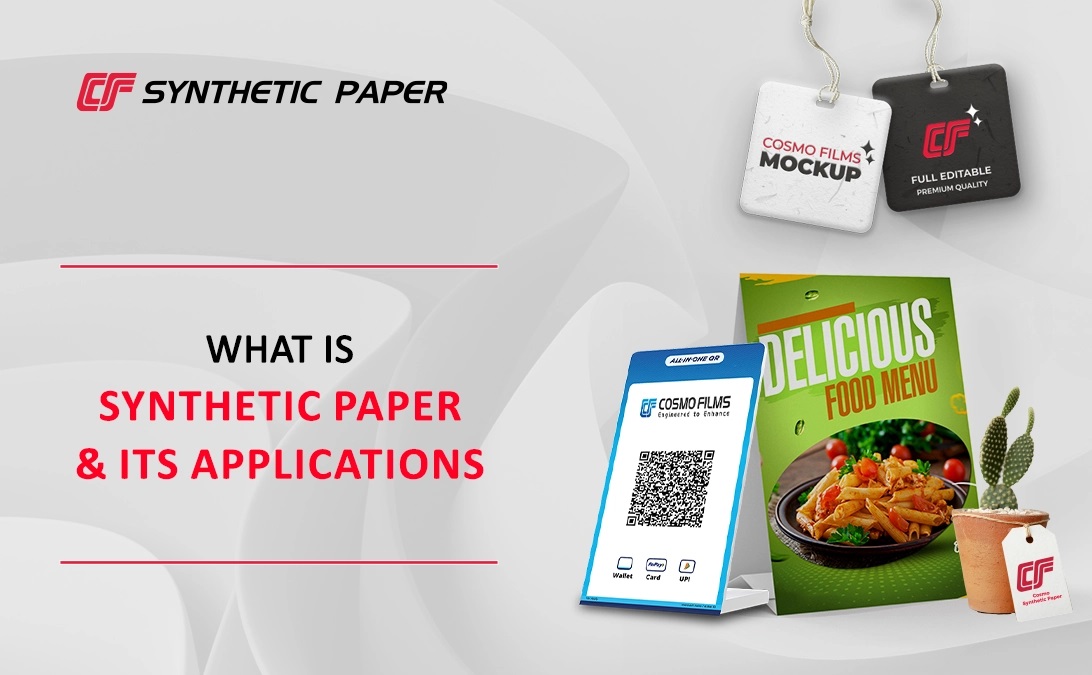
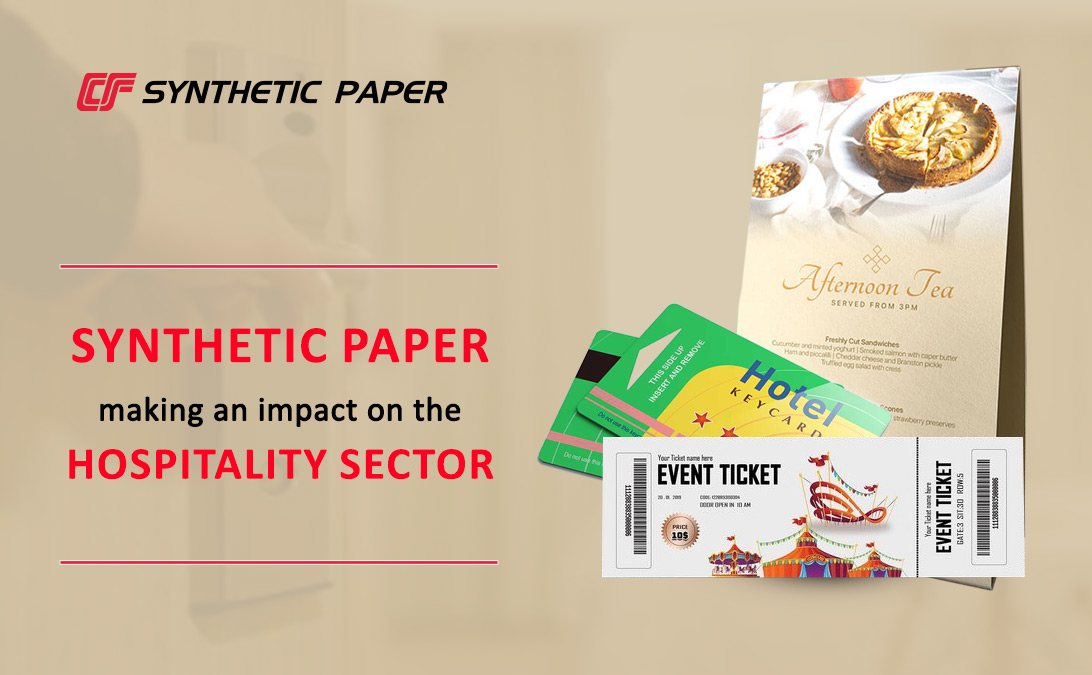
· Menus & Table Materials
These types of applications are
frequently folded, stacked, and handled by many. This tearproof paper
maintains its integrity under this type of use.
· Maps & Reference Sheets
Folding and unfolding can
quickly weaken traditional paper. Synthetic paper continues to perform
consistently even after repeated use.
· Tags & Information Cards
During transport and handling,
tags and cards are often pulled or bent. Synthetic paper reduces the
chance of damage during these processes.
Much of the discussion around
tearing comes from how durability is described rather than how the
material performs. Strong terms are often used to communicate reliability and
long service life, especially when compared to traditional paper.
From a practical standpoint,
most users are less concerned with the exact technical classification and more
interested in whether the material holds up during use.
To Conclude,
For most applications,
synthetic paper provides a noticeable improvement in durability. It tolerates
handling, folding, and pulling without the immediate damage associated with
conventional paper. Synthetic paper offers a level of performance that reduces
replacement and maintenance cost.
The question of whether synthetic
paper is tear-proof or tear-resistant does not have a single, clear answer.
Its behavior depends on how it is used, how much force is applied, and the
conditions it is exposed to. What matters most is that it performs reliably in
situations where traditional paper often fails.
Reach out to us at enquiry@cosmofilms.com for more details.