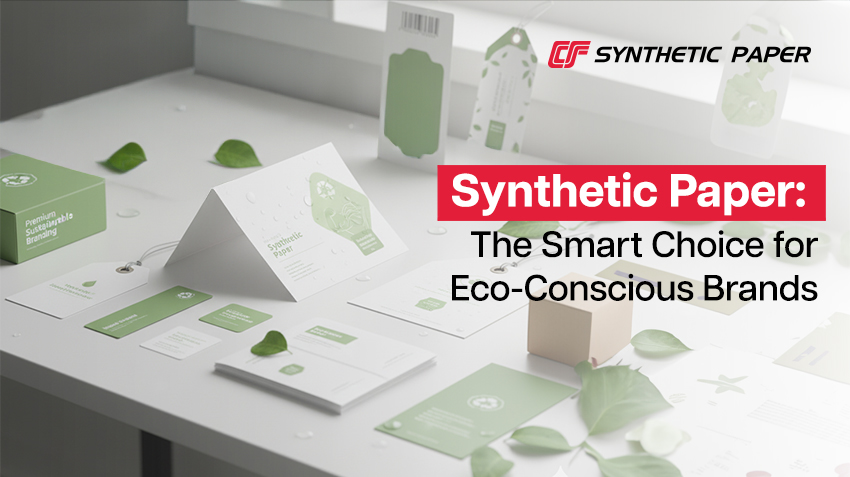
In a world where sustainability is no longer optional
but essential, brands are rethinking how they produce, package, and present
their products. The shift toward environmentally responsible materials has
pushed innovation in unexpected directions, one of which is the growing
adoption of synthetic paper.
This tearproof paper has become a powerful tool
for brands to meet their eco-friendly goals. Synthetic paper's durability,
recyclability, and resource efficiency prove that sustainability and
performance can go hand in hand.
Here's how our synthetic paper passes for a being a sustainable
alternative to traditional materials:
1
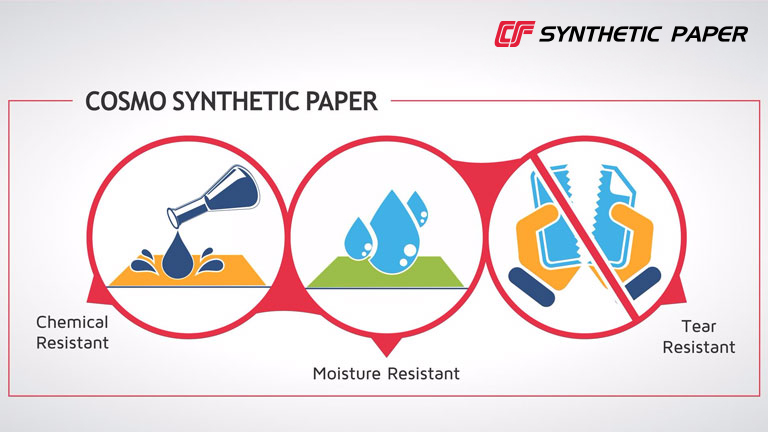
One of the most significant environmental advantages of
synthetic paper lies in its long lifespan. It resists damage from water,
chemicals, and rough handling.
How synthetic paper helps: For brands, this
durability means fewer reprints and less waste. Menus, outdoor signage, maps,
product labels, and marketing materials made from synthetic paper last much
longer, reducing the frequency of production cycles. This extended usability
not only saves money but also lessens the overall carbon footprint associated
with manufacturing and logistics.
2
Beyond resource savings, this tear-resistant
paper can also contribute to lower energy use and reduced emissions over its
lifecycle. Its extended usability and recyclability mean fewer production runs
and lower transportation emissions.
How synthetic paper helps: Brands that partner
with manufacturers that support greener production methods strengthen their
sustainability claims and demonstrate measurable progress in reducing their
carbon footprint.
3
Compared with traditional paper, which depends heavily
on natural resources like wood pulp and water, synthetic paper manufacturing
can be far less resource intensive.
How synthetic paper helps: For
sustainability-driven organizations, the reduction in raw material dependency
supports broader environmental commitments. Choosing synthetic paper allows
companies to minimize their reliance on forest-based resources without
sacrificing the print quality and aesthetics.
4
Eco-conscious brands are increasingly adopting circular
economy principles, designing materials that can be reused, recycled, and
reintroduced into the production chain.
How synthetic paper helps: By opting for
recyclable synthetic paper, brands can significantly reduce their
landfill contribution. Instead of discarding worn-out printed materials, they
can be collected, recycled, and repurposed. This closed-loop process reduces
the demand for virgin resources and aligns perfectly with the zero-waste
targets of brands.
5
Synthetic paper offers a sustainable alternative
for packaging labels and tags that must withstand moisture, friction, and
temperature variations without degrading.
How synthetic paper helps: Synthetic paper
eliminates the need for lamination or additional coatings as it's water-resistant.
This reduces contamination in recycling streams and promotes cleaner waste
management systems.
Synthetic paper's durability, recyclability, and
resource-efficient production make it a smart choice for brands committed to
reducing their environmental impact without compromising on quality or
performance.
In essence, synthetic paper isn't just a
printing material, but a sustainability tool. By embracing it, brands can move
closer to their eco-friendly goals, strengthen their environmental credibility,
and inspire a greener future for the industries they lead.