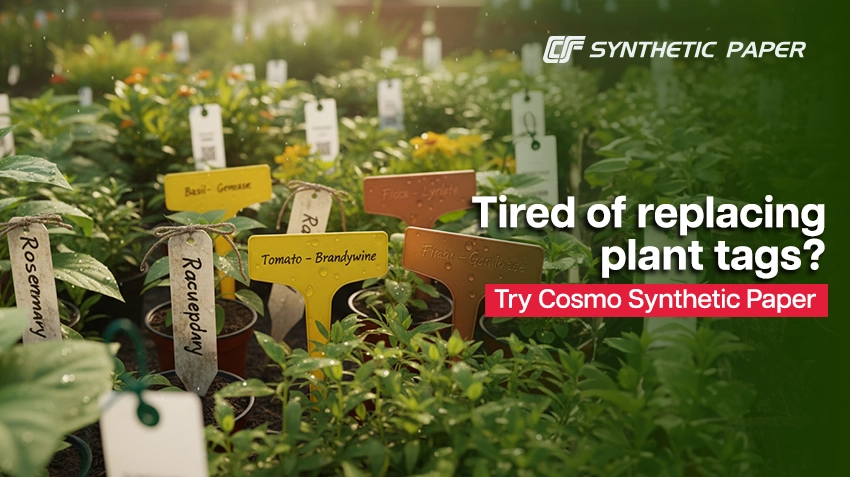
Tagging plants accurately and efficiently is essential for any grower, nursery, or floriculture business. Every plant tag contains valuable information - its variety, care instructions, and pricing. These labels play an essential role in sales and inventory management. But when tags fade, tear, or disintegrate, the cost of replacement adds up quickly. Many underestimate how much time and money are lost each season simply replacing damaged or unreadable tags.
Switching to synthetic paper tags has proven to be one of the most effective ways to eliminate these recurring costs. Designed for durability and long-term outdoor performance, synthetic tags offer a reliable, cost-efficient solution that keeps information visible and professional-looking for much longer periods. Let’s read about this in detail.
The costly cycle of tag replacement
Plant tags face harsh conditions every day. Sunlight, water, wind, and handling all contribute to the gradual breakdown of tags. In a typical growing season, paper-based or low-grade material tags may fade, peel, or tear beyond recognition. When this happens, hours are spent printing and reattaching new tags.
This cycle of tag replacement carries the following hidden expenses:
· Labor costs
· Material costs
· Operational disruptions
· Inaccurate inventory tracking
In a year, the expense of maintaining readable tags can easily exceed the initial cost of higher-quality tagging materials. For the floriculture industry, where aesthetics matter as much as accuracy, worn-out tags can even reduce perceived value.
How synthetic paper tags reduce replacement costs
Synthetic paper tags are engineered to withstand the harsh environmental conditions. This innovative material maintains its appearance and integrity for extended periods when exposed to water, UV rays, soil, and frequent handling. Long-term reliability directly translates into fewer replacements and lower total cost of ownership. How? Let’s read!
· Longer tag life
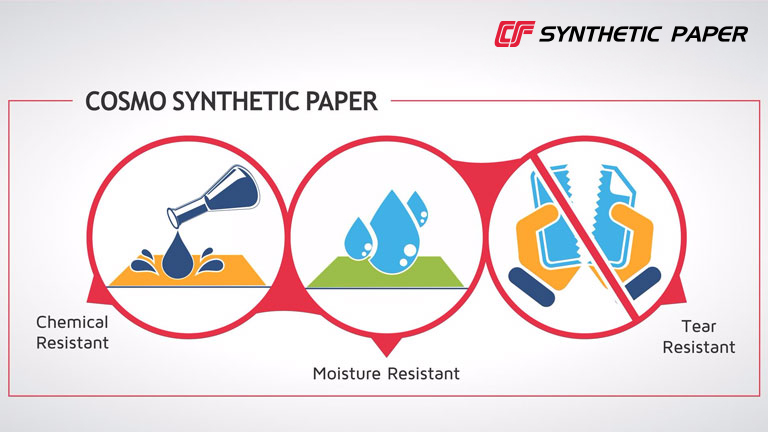
Synthetic paper reduces replacement costs as it is long-lasting. These non-tearable tags can endure multiple seasons of exposure without fading, tearing, or smudging. This eliminates the need to reprint after every growth cycle or severe weather event.
For growers managing thousands of plants, the savings are substantial. Instead of allocating labor hours to replace tags, staff can focus on other higher-value activities.
· Weather resistance
Rain, irrigation, and humidity are among the biggest challenges in plant labeling. When moisture is absorbed, the tags weaken quickly. Synthetic paper tags, on the other hand, repel water and remain stable in wet environments. They don’t warp, curl, or dissolve, ensuring clear identification.
This waterproof feature is especially valuable in floriculture operations where plants are frequently misted or grown in high-humidity environments. The tags remain intact and readable, reducing the need to replace them in mid-season.
· Fadeproof
Exposure to sunlight can bleach ink and distort printed text within short time. Synthetic paper tags retain their color and legibility for much longer periods. Whether used in outdoor nurseries or greenhouse settings, these tags continue to maintain their pristine condition.
· Tear & abrasion resistance
Plant tags are often subjected to bending, pulling, and rubbing, and even tolerating strong winds, and hence, they tear easily. Synthetic paper tags have excellent tensile strength and remain the same under stress. They resist scuffing and abrasion, so printed information stays readable even after prolonged use.
· Reduced printing and supply costs
Even though synthetic paper tags may cost slightly more upfront, their long lifespan means far fewer reprints over time. This reduces printer wear, ink consumption, and overall supply costs , making it the more economical choice in the long run.
Cutting plant tag replacement costs isn’t about eliminating tags; it’s about choosing the right material for the tags. Synthetic paper offers a powerful combination of durability, print clarity, and weather resistance for floriculture tags. Whether you manage a sprawling nursery or a boutique greenhouse, switching to synthetic paper tags is a smart investment in efficiency,
professionalism, and profitability. Contact us today for your synthetic paper requirements, and our experts will help you with the right one for your application.